
Physician-Performed Integrative Treatments
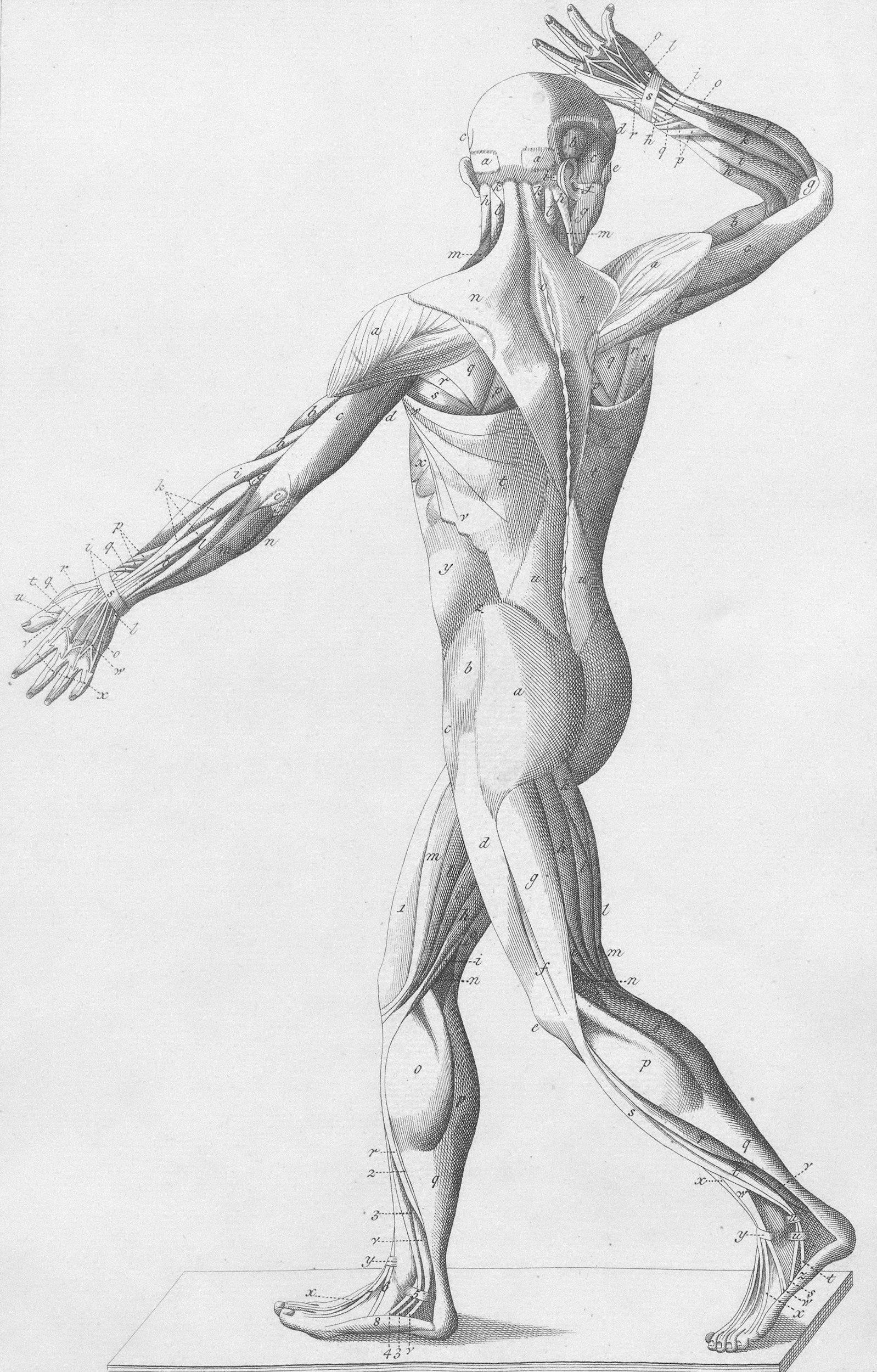
Osteopathic Medicine
Osteopathic medicine is a patient-centered approach to medical care that recognizes the important relationship between the body’s structure and its function. Osteopathic physicians (DOs) are fully licensed physicians who receive additional training in the musculoskeletal system and in the use of hands-on techniques to evaluate and treat somatic dysfunction.
Osteopathic Manipulative Treatment (OMT) is the therapeutic application of these hands-on techniques. Through careful evaluation of the muscles, joints, connective tissues, and their relationship with the nervous and circulatory systems, OMT is used to address areas of restricted motion, muscular tension, and altered body mechanics. Treatment is individualized and may incorporate a variety of techniques to reduce pain, improve mobility, and support more normal physiologic function.
At Integrative Osteopathic Family Medicine, OMT is personally performed by Dr. Borja, a board-certified osteopathic physician with extensive experience in osteopathic and integrative medicine. Because OMT is provided within the context of medical care, treatment can take into consideration the patient's underlying medical conditions, previous injuries, medications, imaging findings, and overall health.
OMT is commonly used as part of the treatment of a variety of musculoskeletal conditions, including:
Spine & Joint Conditions
Neck pain, low back pain, thoracic and rib pain, sacroiliac and pelvic dysfunction, shoulder pain, and other joint-related conditions
Muscle & Soft-Tissue Conditions
Muscle tension, myofascial pain, restricted range of motion, postural strain, and repetitive-use injuries
Headache & Related Conditions
Tension-type headaches, cervicogenic headaches, and some forms of headache associated with musculoskeletal dysfunction
OMT may be used alone or as part of a broader treatment plan that includes exercise, rehabilitation, medication, acupuncture, or other appropriate medical therapies.
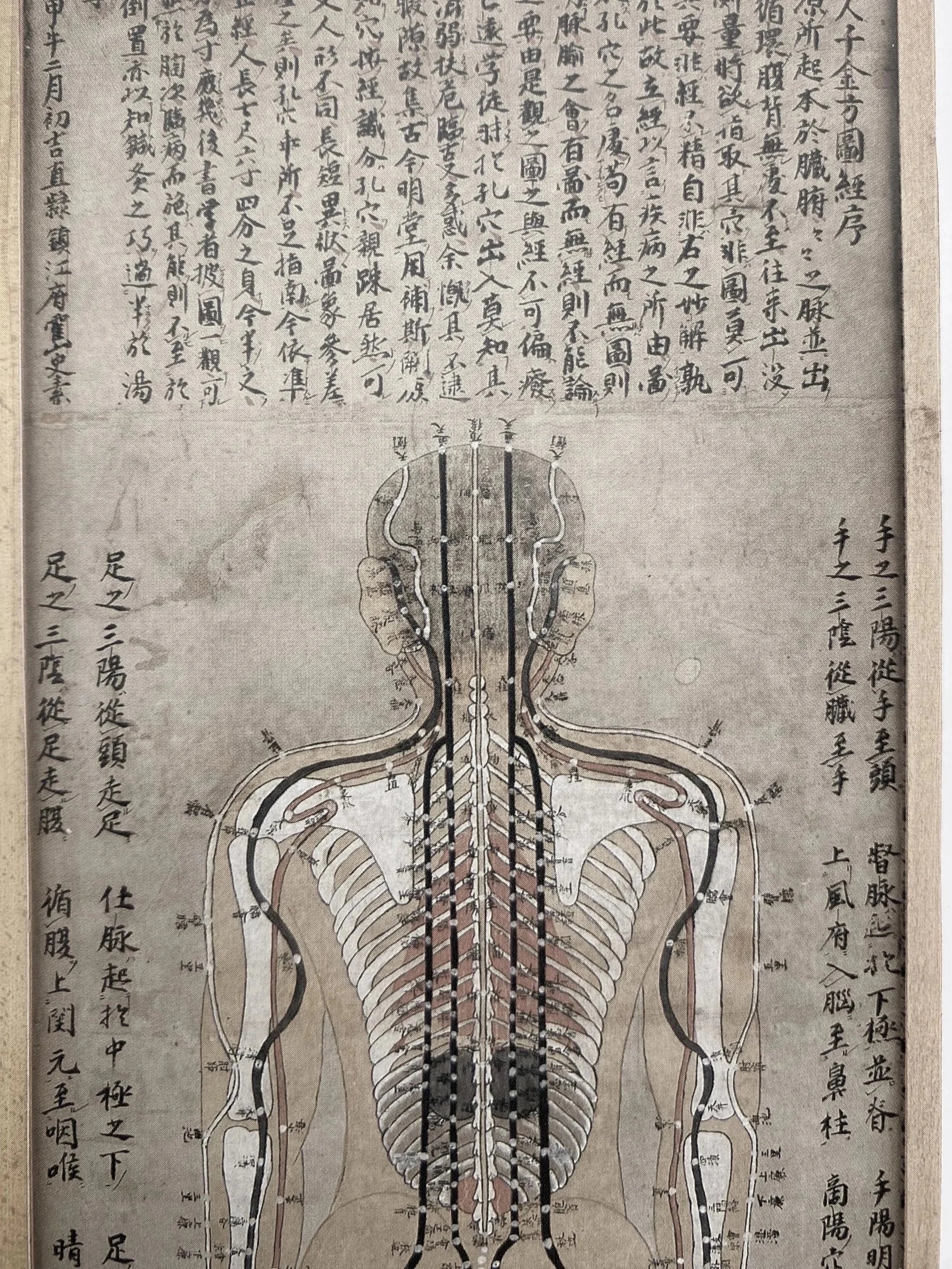
Medical Acupuncture
Acupuncture is rooted in an ancient medical tradition described in the Huangdi Neijing (Yellow Emperor’s Inner Classic), one of the foundational texts of Chinese medicine. In this system, the body is understood through an interconnected network of pathways known as the Jing Luo (经络), or channel network, through which Qi (气) and blood circulate. Qi describes the body’s functional activity and dynamic processes, while blood provides nourishment and substance. Their balanced and unobstructed movement is traditionally considered essential to health.
Acupuncture uses very fine needles placed at carefully selected points to influence these pathways and restore healthy function. From a modern biomedical perspective, acupuncture also produces measurable effects on the nervous system, local tissues, circulation, and the body’s regulation of pain and inflammation.
At Integrative Osteopathic Family Medicine, Medical Acupuncture is personally performed by Dr. Borja, a board-certified physician with advanced training in acupuncture and Chinese medicine. This physician-based approach integrates the traditional principles of acupuncture with contemporary knowledge of anatomy, physiology, diagnosis, and clinical medicine. Treatment can therefore be considered within the broader context of each patient’s medical history, current health conditions, medications, and overall care.
Clinical research supports the use of acupuncture for a growing number of conditions, including:
Pain Conditions
Back and neck pain, shoulder pain, osteoarthritis, headaches and migraine, myofascial pain, sciatica, postoperative pain, fibromyalgia, and tennis elbow
Women’s Health
Pregnancy-related back and pelvic pain, menopausal hot flashes, and chronic pelvic pain
Mental Health & Sleep
Anxiety, depression, post-traumatic stress symptoms, and insomnia
Cancer & Cancer Treatment-Related Symptoms
Treatment-related nausea and vomiting, cancer-related pain and fatigue, and aromatase inhibitor-associated joint pain
Other Conditions
Irritable bowel syndrome, seasonal allergies, urinary incontinence, asthma, temporomandibular joint (TMJ) disorders, and restless legs syndrome
Trigger Point Treatment
Trigger point treatments focus on the evaluation and treatment of myofascial trigger points, small, hyperirritable areas within muscle that can contribute to localized or referred pain, muscle tightness, tenderness, and restricted movement.
Treatment may involve the use of fine needles, similar to acupuncture needles, to release trigger points through dry needling, or small-volume injections of saline or local anesthetic directly into the affected muscle. These techniques are intended to reduce pain and muscle tension, improve mobility, and restore more normal muscle function.
At Integrative Osteopathic Family Medicine, trigger point treatments are personally performed by Dr. Borja, a board-certified physician with advanced training in acupuncture and Chinese medicine. Depending on the individual patient's condition, treatment may incorporate conventional trigger point injection techniques, acupuncture-based needling approaches, or a combination of both.
Clinical evidence supports the use of trigger point therapies as part of the treatment of selected musculoskeletal and myofascial pain conditions, including:
Pain Conditions
Myofascial pain syndrome, neck pain, low back pain, shoulder pain, tension-type headaches, headaches or migraines associated with myofascial dysfunction, temporomandibular disorders (TMD), and plantar heel pain
Musculoskeletal Conditions & Injuries
Repetitive strain injuries, sports-related muscle pain, postural strain, and muscular imbalance
Other Applications
Restricted range of motion associated with muscular tightness and chronic muscle tension contributing to persistent or widespread musculoskeletal pain